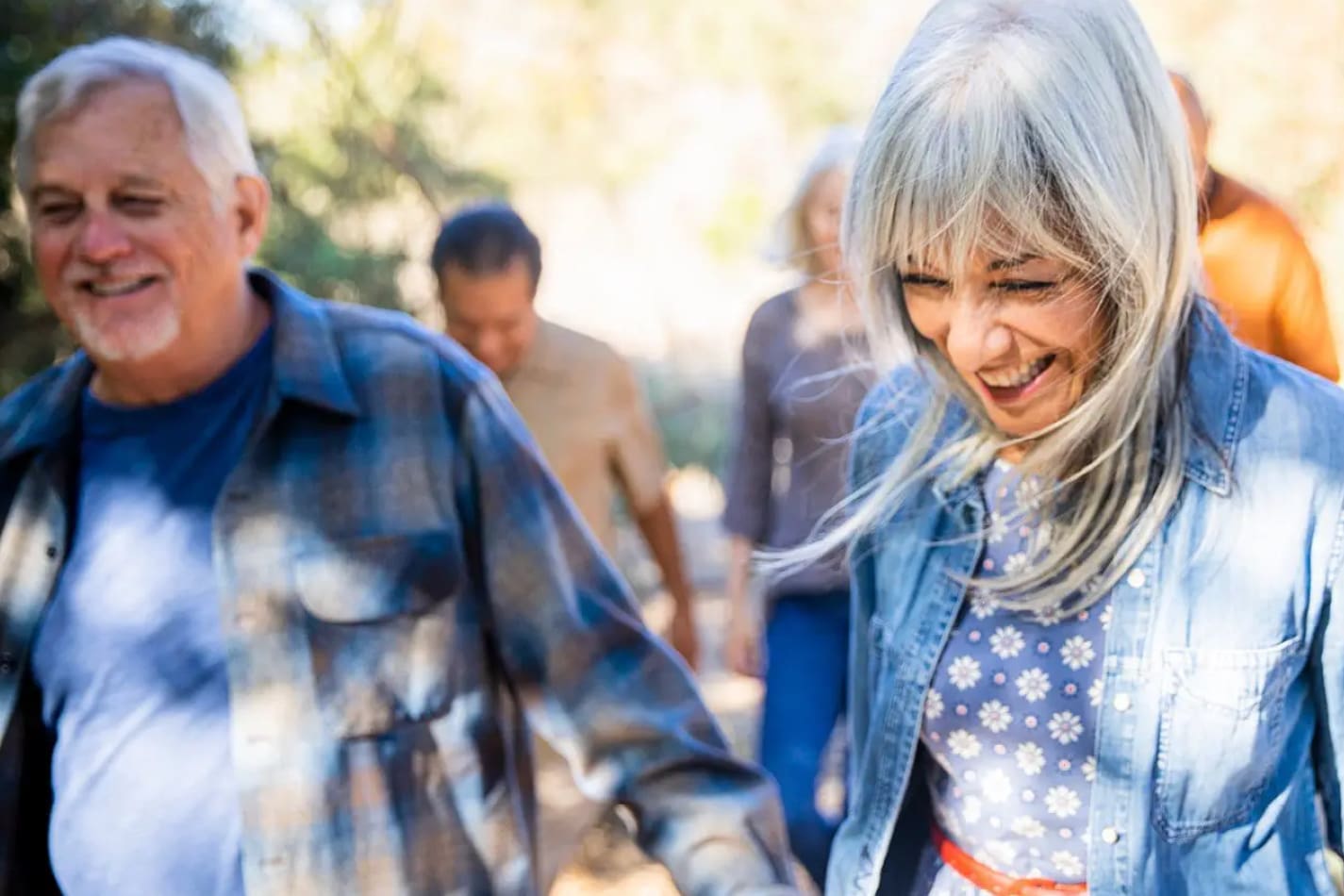
How to Make Friends After 55: Why the Right Community Makes Connection Easier
At a Glance
- Making friends after 55 may require more intention because work, school and family schedules no longer create the same built-in opportunities.
- Friendships often develop through repeated, low-pressure interactions and not one big social event.
- Classes, clubs, exercise groups and shared interests make starting conversations easier.
- Casual connections with neighbors can be meaningful, even before they become close friendships.
- Where you live can create more (or fewer) opportunities to move, learn, gather and connect.
- The Sonders Learning Center and community spaces are designed to make connection part of everyday life.
When was the last time you made a new friend?
Not simply someone you met or exchanged pleasantries with, but someone you gradually came to know. Someone you could invite for coffee, call for a walk or expect to see at the same class next Thursday.
It’s a no-brainer that when we are younger, friendship often happens almost automatically. School, work, children’s activities and busy family calendars regularly place us alongside the same people. Over time, familiarity turns into conversation, and conversation sometimes becomes friendship.
After 55, those built-in opportunities can begin to change. Children grow up. Careers wind down. Longtime friends relocate. You may move to a new city—or simply discover that your interests and routines are different than they once were.
The desire for connection does not disappear. But forming it can require a little more intention.
The encouraging part is that friendship can from something as simple as spending time near people with whom you share an interest, an experience or a sense of curiosity.
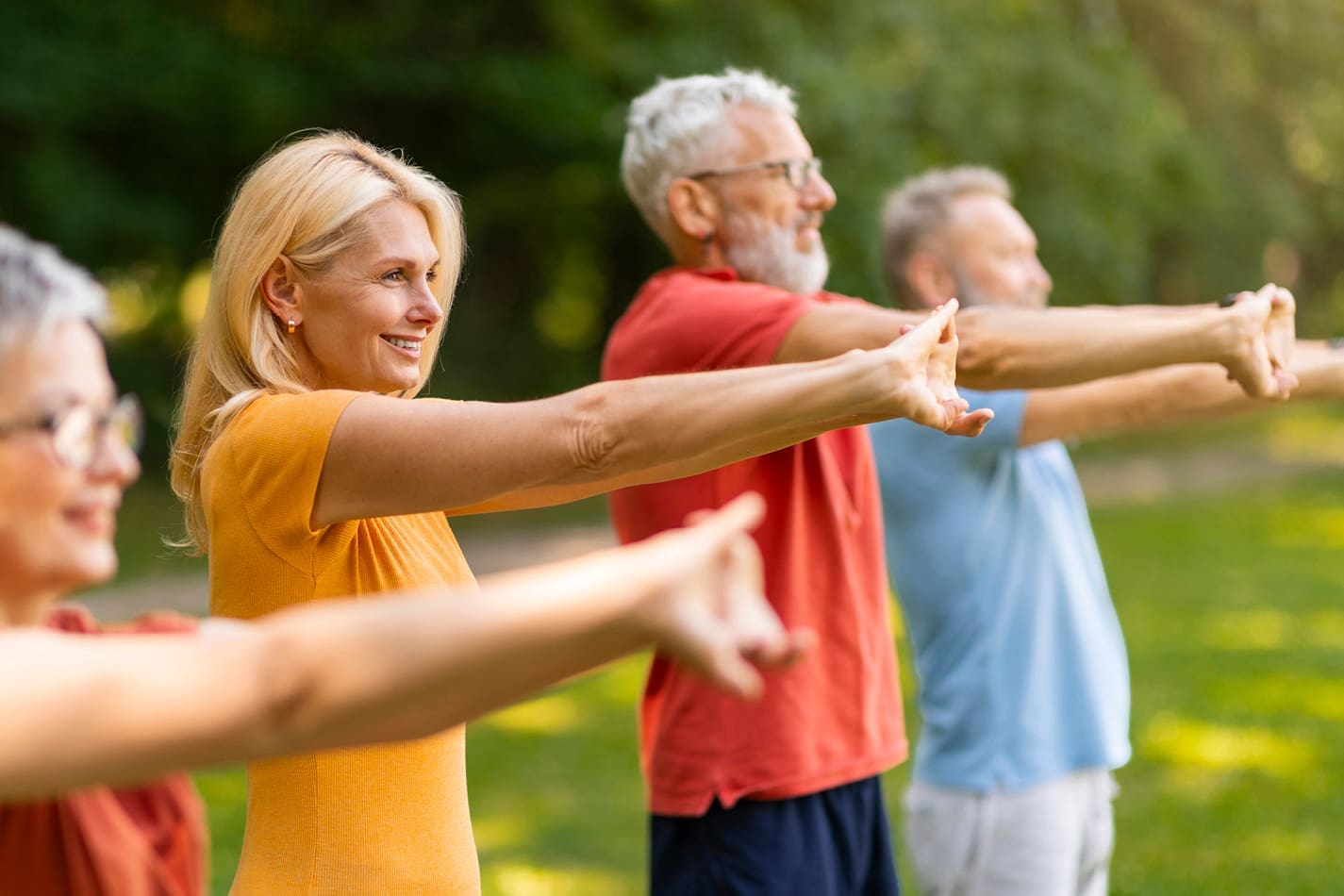
Why Friendship Matters at Every Age
Friendship makes life more enjoyable, but social connection is more than a pleasant addition to a full life.
The National Institute on Aging notes that social isolation and loneliness have been associated with greater risks for several physical and mental health conditions. Staying connected may also support cognitive health, emotional well-being and a greater sense of belonging.
Connection can take many forms:
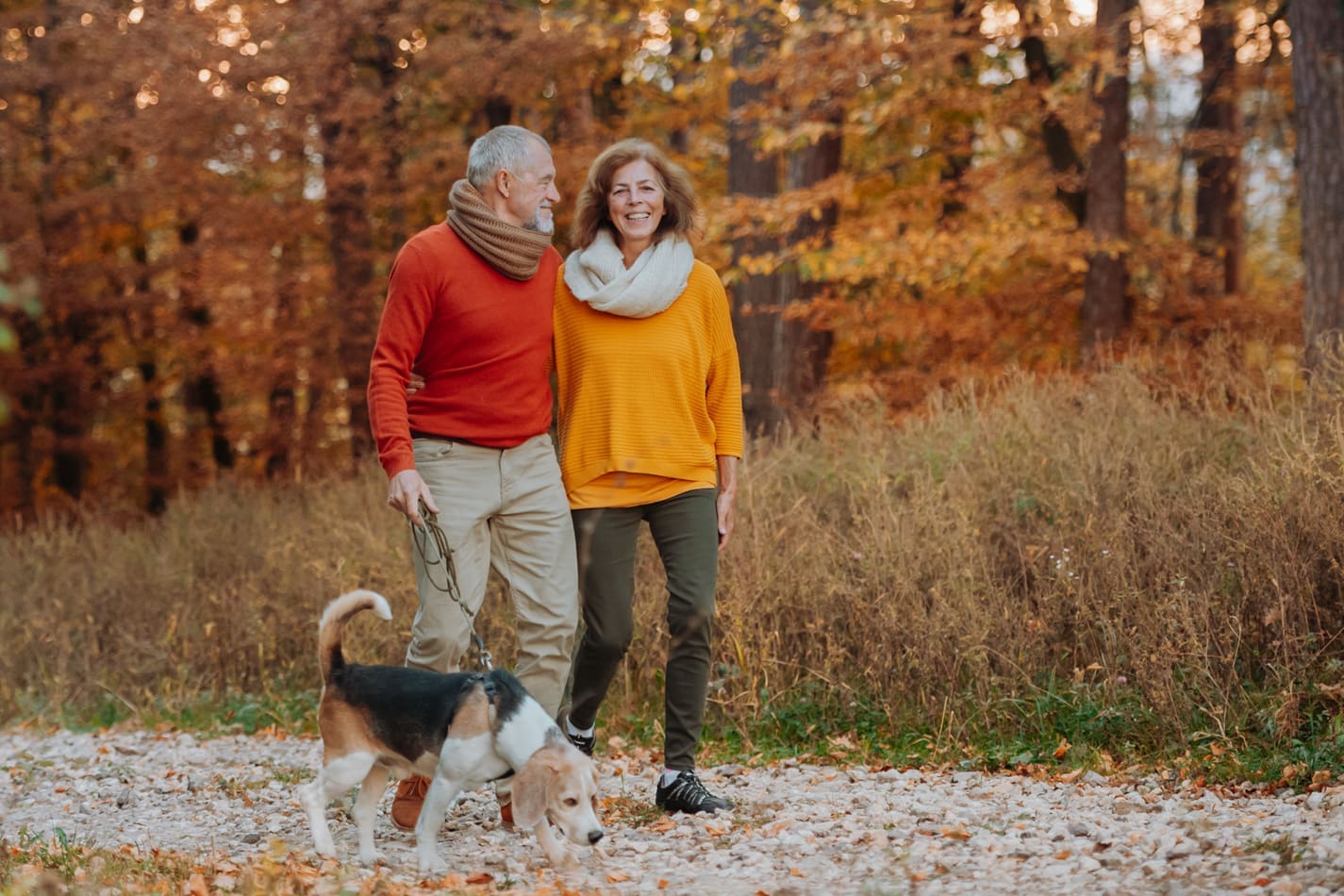
- A neighbor you regularly see while walking the dog
- A friend who joins you for a weekly exercise class
- A group that gathers around gardening, art or books
- Someone who shares your curiosity about a new subject
- Familiar faces who make a place feel like your place
Some relationships grow deep. Others remain friendly and familiar. Both can add meaning and texture to everyday life.
How to Make Making Friends More Friendly
Making friends after 55 does not require becoming more outgoing or filling your calendar with social events. It begins with creating more opportunities to see the same people again and again.
Becoming a regular somewhere, staying curious about the people around you, and being open to making small invitations are surefire ways to find your people and your next new friend group.
Especially when you start with something you enjoy (like the list above about how “Connection can take many forms”) and how you can involve others to come along with you. Like coffee after class, another walk next week or a plan to attend the next workshop together.
Friendship rarely arrives fully formed. More often, it grows from familiar faces, shared interests and someone being willing to take the first step.
Choose a Community That Makes Connection Easier
When searching for a new home, it is natural to concentrate on the home itself: the floorplan, kitchen, storage, outdoor space and finishes.
But the design of the surrounding community can have just as much influence on everyday life.
Are there comfortable places to gather? Can you walk somewhere without getting in the car? Are there shared interests and recurring activities? Does the community encourage people to continue learning, moving and participating? Do you the homes invite residents to spend time on patios that allow for casual connections with neighbors?
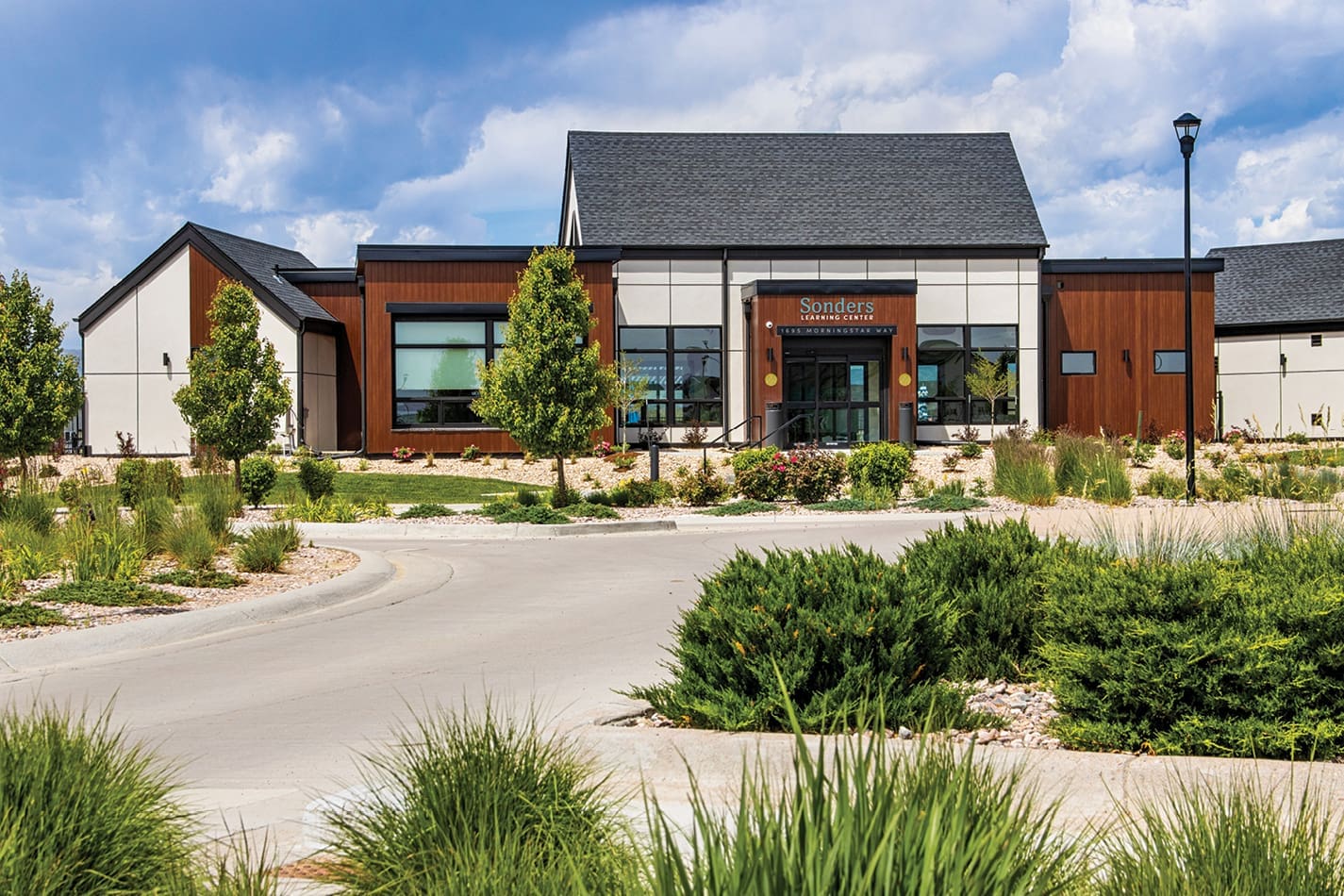
A clubhouse may look impressive during a tour. But it’s concepts like the Sonders Learning Center that give people authentic reasons to come back again and again, allowing more casual encounters and more opportunities for friendships to grow.
That’s the social architecture of an intentionally-planned, active adult community. It’s about designing places and routines that make interaction feel natural rather than forced. Look for that.
Connection, Curiosity and the Sonders Learning Center
Sonders Fort Collins was created around a belief that a community should support a full life and not simply provide a collection of homes.
Although Sonders is not an age-qualified 55+ community, it is intentionally designed for active agers seeking more freedom, purpose, connection and opportunities to enjoy what comes next.
That philosophy comes to life at the newly opened Sonders Learning Center.
The Learning Center is envisioned as more than a traditional community clubhouse. Its flexible gathering spaces, pool and future programming create opportunities for residents to learn, move and spend time together. Continuing workshops, classes and presentations are intended to keep the body, mind and social life active.
Across the broader Learning Center campus, spaces are dedicated to support exercise, yoga, creative pursuits, resident clubs and lifelong learning.
Trails, parks and gathering areas throughout Sonders create additional opportunities for the informal interactions that help a neighborhood become a community.
You might arrive because you are curious about a presentation. Because you want to try a new form of exercise. Because you have always wanted time to paint. Or simply because the pool looks especially inviting that afternoon.
Who you meet there may be the unexpected part.
Find More Than a New Home in Fort Collins
A new home can give you more comfort, greater efficiency and a floorplan that better fits the way you want to live now.
The right community can offer something more: the setting for what comes next.
Sonders’ lower-maintenance ranch-style new homes are surrounded by places designed for movement, curiosity and connection. Because finding the right home and the right community for you is about what you will do, what you will continue to discover and who you may meet along the way.