What Makes the Best 55+ Community? The Science Behind Places People Love to Live
At a Glance
The best 55+ communities in Colorado aren’t defined by the size of their clubhouse or the number of amenities they offer. They’re defined by how well they support everyday life.
From thoughtful home design and opportunities to age in place to walkability, nature, and meaningful social connections, the most successful communities are intentionally designed to help residents live healthier, happier, and more independent lives for years to come.
It Starts With Meaningful Observations and Lessons Learned
For decades, the conversation around 55+ communities focused on retirement. Amenities were the headline, maintenance-free living was the promise, and the assumption was that life naturally slowed down after a certain age.
Today, that picture looks remarkably different.
Adults over 55 are redefining what this stage of life can be. Many are still working, launching businesses, volunteering, traveling, caring for grandchildren, or pursuing passions they never had time to explore earlier in life. Rather than slowing down, they’re becoming more intentional about how they spend their time and where they choose to live.
That shift has changed what buyers should expect from a community. A beautiful clubhouse or an impressive amenity package may capture attention, but they don’t necessarily determine whether you’ll love living there five, ten, or twenty years from now.
The communities that stand the test of time are designed around something much more meaningful: how people actually live every day.
Research in environmental psychology, healthy aging, and community planning continues to reinforce this idea. The places that contribute most to long-term happiness aren’t simply attractive. They’re thoughtfully designed to support independence, encourage social connection, promote wellness, and evolve alongside the people who call them home.
Retirement Has Changed. So Should Our Expectations of 55+ Communities.
The best communities aren’t designed around retirement. They’re designed around living well.
The phrase active adult means something very different today than it did a generation ago. Today’s homebuyers aren’t simply searching for a place to retire. They’re looking for a place that supports the lifestyle they’ve worked hard to create.
For many, that means choosing a home that offers freedom instead of more responsibilities while providing the flexibility to adapt as life changes. It’s less about downsizing and more about rightsizing, finding a home that’s easier to maintain without sacrificing comfort, style, or opportunities to stay engaged.
Research consistently shows that remaining physically active, socially connected, and mentally engaged contributes to healthier aging and greater life satisfaction. Just as importantly, where we live has a profound influence on whether those things happen naturally or require constant effort.
A thoughtfully designed neighborhood encourages movement through walkable streets and trails. It creates opportunities to meet neighbors without forcing social interaction. It makes everyday errands more convenient and helps reduce the stress that often comes from maintaining a larger home or navigating an environment that no longer fits your needs.
The best 55+ communities recognize that aging well isn’t simply about adding amenities. It’s about creating an environment that quietly supports independence, health, and connection every single day.
The Best Communities Start With Everyday Life, Not Amenities
A great community isn’t measured by its biggest attraction. It’s measured by its ordinary moments.
When comparing communities, it’s easy to focus on amenity lists (like Sonders’ amenities). Clubhouses, fitness centers, pickleball courts, pools, and organized events all have their place, but they represent only a small fraction of daily life.
A better question to ask is surprisingly simple:
What will an ordinary Tuesday feel like here?
Most of life isn’t lived during grand openings or holiday celebrations. It’s lived over morning coffee on the patio, afternoon walks with the dog, spontaneous dinners with friends, quiet evenings outside, and weekends when the grandchildren come to visit. Those seemingly routine moments shape our overall happiness far more than occasional special events.
That’s why location often matters more than luxury.
Being close to healthcare, grocery stores, restaurants, golf courses, parks, trails, and cultural destinations has a lasting impact on quality of life. Communities that make it easy to enjoy these everyday experiences reduce the amount of time spent driving and increase the opportunities to stay active, connected, and engaged with the surrounding area.
The same philosophy applies to the natural environment.
The concept of biophilic design is based on the idea that humans have an innate connection to nature. Researchers have found that regular exposure to trees, open space, wildlife, and natural landscapes can help reduce stress, improve mood, restore attention, and even support cognitive health. In other words, nature isn’t simply beautiful to look at. It’s an essential part of human well-being.
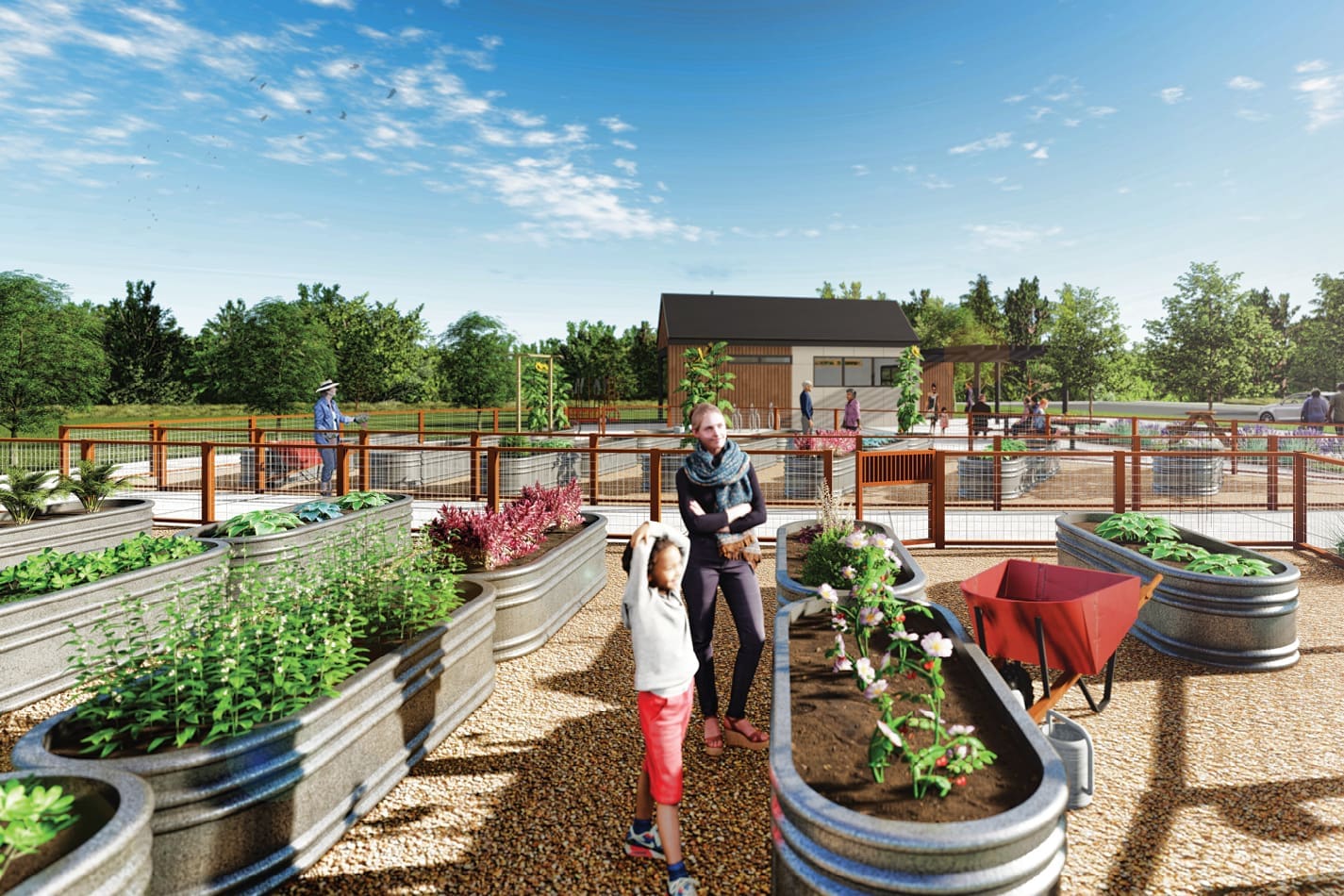
The best communities don’t treat nature as a backdrop. Like Sonders, they weave it into everyday life through preserved open space, walking trails, neighborhood parks, and opportunities to truly feel nature. Flourish Park at Sonders is designed with four sensory gardens for residents to immerse themselves in nature.
The result is a neighborhood that feels less planned around amenities and more centered on the rhythms of everyday living.
Freedom Comes From the Things You No Longer Have to Think About
Sometimes the greatest luxury isn’t having more. It’s having less to worry about.
One of the biggest advantages of moving into a thoughtfully planned 55+ community isn’t adding more activities or amenities. It’s removing the countless little responsibilities that quietly consume time and energy.
Maintaining a large yard. Shoveling snow after a storm. Climbing stairs several times a day. Repairing an aging home. Managing rising utility bills. Individually, these tasks may seem manageable. Collectively, they create friction that can gradually limit the freedom people hoped this stage of life would provide.
Thoughtful home design helps remove much of that friction before it ever becomes a problem.
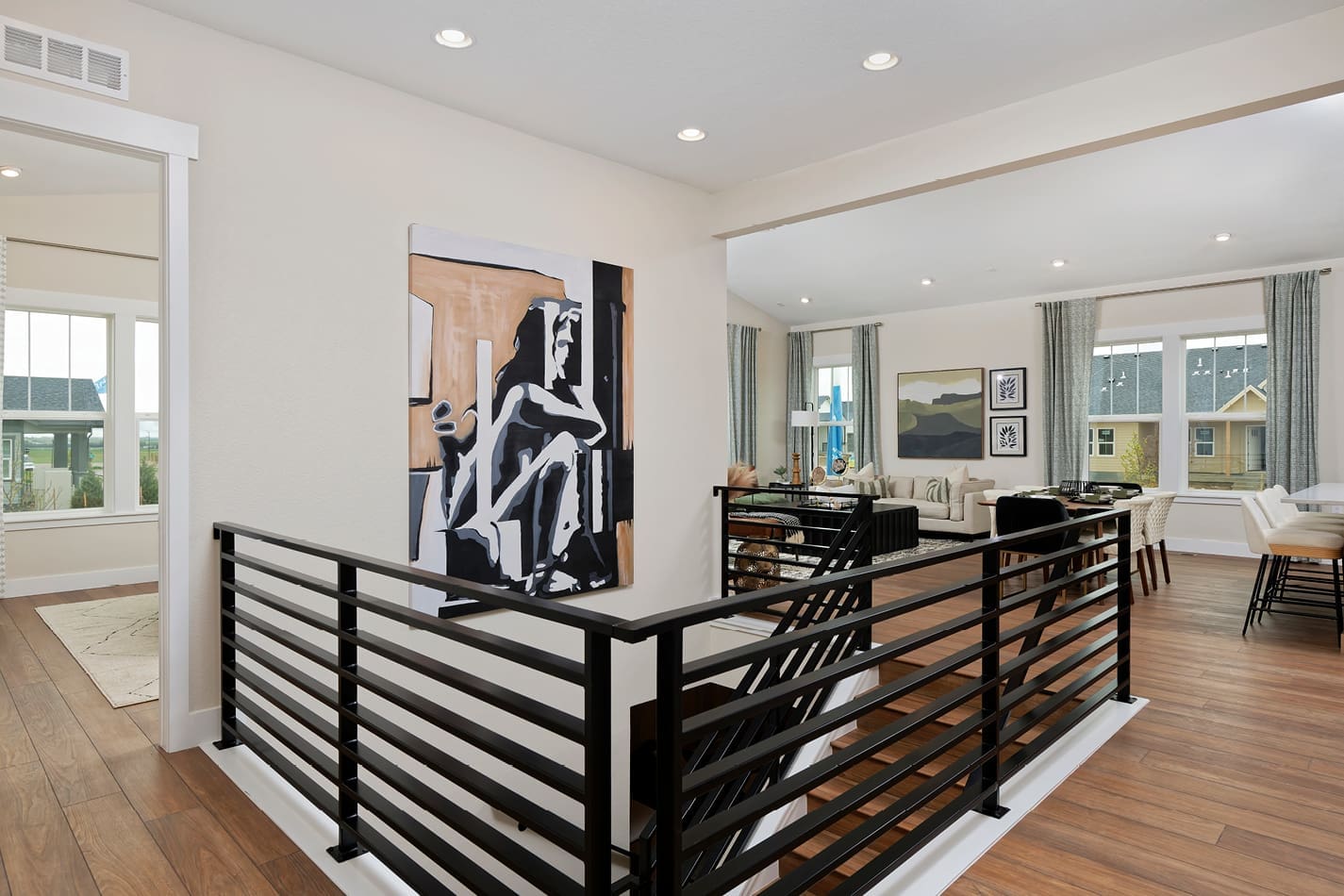
That’s one reason single-level ranch homes remain among the most desirable home styles for active adults. Their popularity isn’t simply about convenience today. It’s about flexibility tomorrow. Features like wider hallways, open floor plans, curbless showers, abundant natural light, and fewer level changes create homes that are comfortable now while remaining functional as needs evolve.
This home design and construction philosophy is often referred to as aging in place, the ability to continue living safely, comfortably, and independently in your home as you grow older. National surveys consistently show that the vast majority of adults hope to remain in their own homes for as long as possible, making adaptable home design an increasingly important consideration for buyers.
Colorado State University’s Institute for the Built Environment (IBE) has helped bring national attention to this idea through its Lifelong Homes initiative. Rather than waiting until mobility or health concerns arise, the program encourages homes to be designed from the beginning with features that support long-term independence, accessibility, and well-being. The goal isn’t simply to accommodate aging. It’s to create homes that remain welcoming, functional, and beautiful throughout every stage of life.
That same thinking extends beyond the front door. Low-maintenance landscaping, energy-efficient construction, and HOA services that reduce exterior upkeep all contribute to something many buyers value more than additional square footage: peace of mind. That’s what scored Sonders the ranking as the nation’s first Pre-Certified Lifelong Community.
Ultimately, the best homes aren’t the ones that ask more of their owners each year. They’re the ones that quietly give something back by making everyday life just a little easier.
Wellness Is More Than Staying Active
The healthiest communities don’t ask residents to schedule wellness. They weave it into everyday life.
When people think about wellness in a 55+ community, they often picture a fitness center or a calendar full of exercise classes. Those amenities certainly have value, but wellness extends far beyond physical fitness.
Increasingly, researchers recognize that our surroundings play a significant role in our overall health. The neighborhoods we walk through, the natural spaces we experience, and even the presence of water can influence stress levels, mood, cognitive function, and emotional well-being.
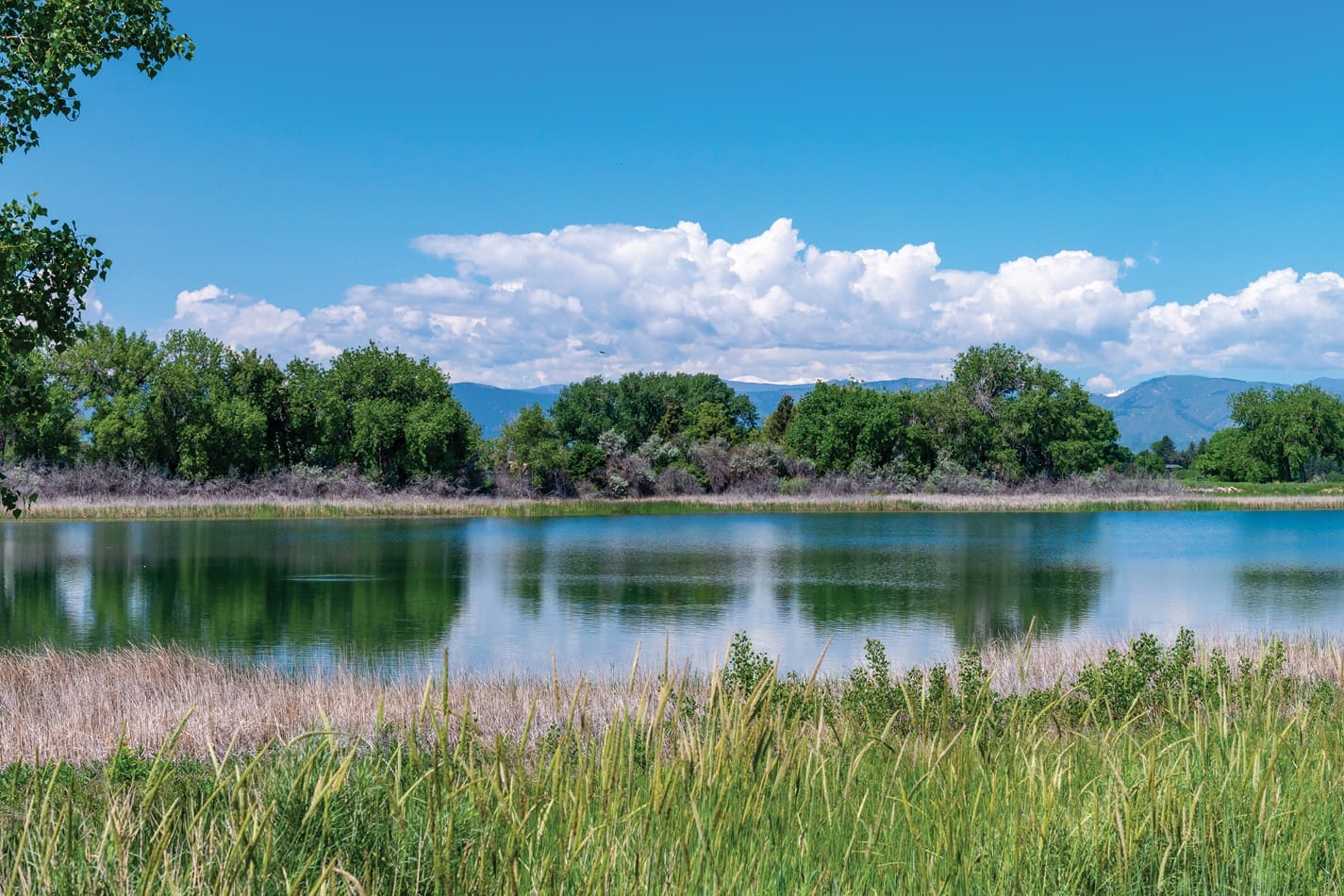
One concept that has gained considerable attention is Blue Mind, a term popularized by marine biologist Dr. Wallace J. Nichols. Blue Mind describes the calm, restorative state people often experience when they’re near water. Whether it’s a lake, pond, river, or even a thoughtfully designed water feature, spending time around water has been associated with lower stress, improved mental clarity, and a greater sense of peace.
Nature has a similar effect. Communities that prioritize mature trees, preserved open space, wildlife habitat, and scenic trails encourage residents to spend more time outdoors without feeling like they’re exercising. A walk becomes an opportunity to clear your mind. A neighborhood park becomes a place to read, reflect, or visit with friends. Wellness becomes less about checking a box and more about enjoying everyday life. That’s the beauty behind Serene Park at Sonders – to bring you close to water’s edge on a daily basis.
This philosophy aligns closely with the growing understanding that healthy communities should support the whole person. Physical health matters, but so do mental health, emotional resilience, and opportunities to slow down and reconnect with the natural world.
The best communities recognize that wellness isn’t something residents visit for an hour each day. It’s something they experience from the moment they step outside their front door.
Questions Worth Asking Before You Choose a 55+ Community
The best questions aren’t about amenities. They’re about how you’ll live.
Before choosing a community, spend some time imagining an ordinary week rather than a special occasion.
- Can you picture yourself walking every morning without getting in your car?
- Does the home feel like one you could comfortably enjoy for decades?
- Are restaurants, healthcare, parks, and everyday conveniences close enough that they become part of your routine rather than destinations?
Think about how the neighborhood encourages connection.
- Are there places where neighbors naturally gather?
- Does the community make it easy to enjoy nature?
- Can you imagine yourself feeling at home during every season, not just on a sunny Saturday afternoon?
These questions often reveal more than a list of amenities ever could.
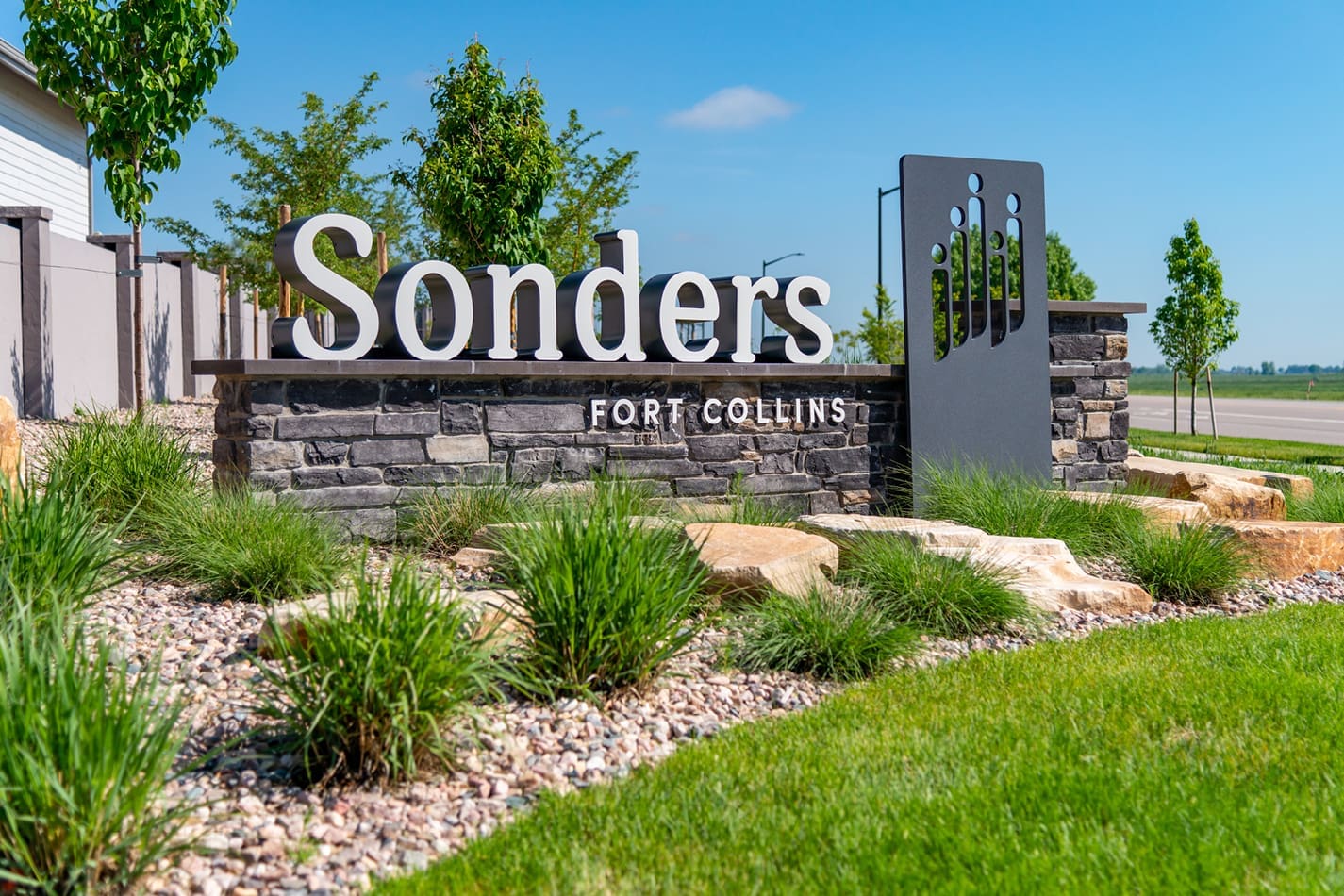
How Sonders Fort Collins Checks All of the Boxes
Everything we’ve explored in this article points to one central idea: the best 55+ communities aren’t designed around a stage of life. They’re designed around quality of life.
That’s precisely the philosophy behind Sonders.
Rather than beginning with a list of amenities, Sonders began with a question: How can a community help people live healthier, more connected, and more independent lives for years to come?
That vision led to a partnership with Colorado State University’s Institute for the Built Environment, resulting in Sonders becoming the nation’s first pre-certified Lifelong Community. Instead of treating aging in place as a feature, the community embraces it as a guiding principle. Homes are thoughtfully designed to support changing needs over time, while the broader neighborhood encourages movement, learning, wellness, and meaningful social connection.
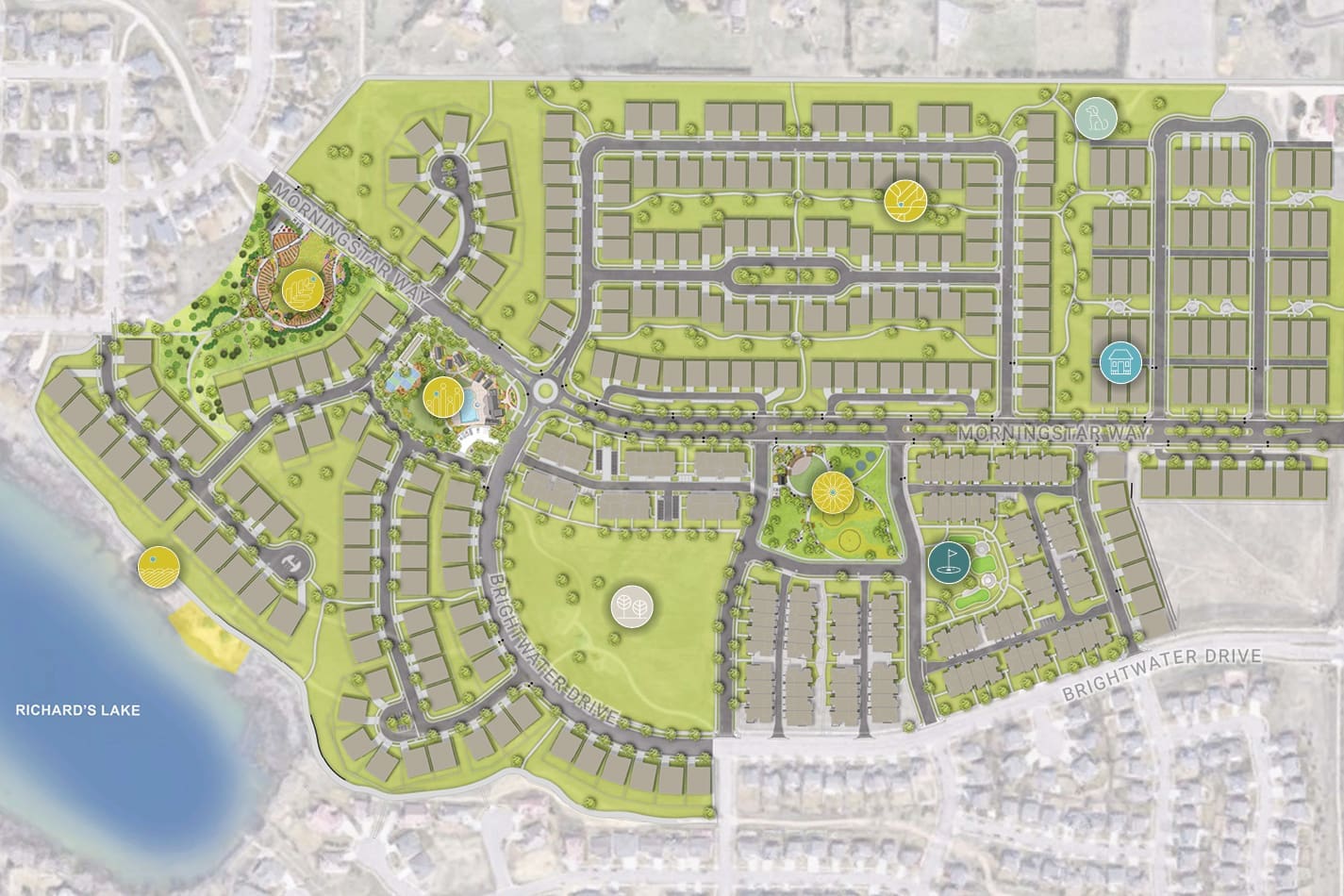
Nature also plays a central role in the experience. With miles of trails, preserved open spaces, nearby Richard’s Lake, and opportunities to experience the calming benefits of the outdoors every day, Sonders reflects many of the biophilic and Blue Mind principles that researchers associate with healthier living.
Perhaps most importantly, Sonders recognizes that life doesn’t stop at 55.
Residents continue learning, exploring, traveling, volunteering, spending time with family, and building new friendships. The community simply makes those experiences easier by reducing everyday burdens and creating an environment where people can continue thriving at the Sonders Learning Center.
That’s what distinguishes a thoughtfully planned community from one that’s simply well appointed.