The Best Trees For Your New Home in Fort Collins: What to Plant Now & Enjoy for Decades
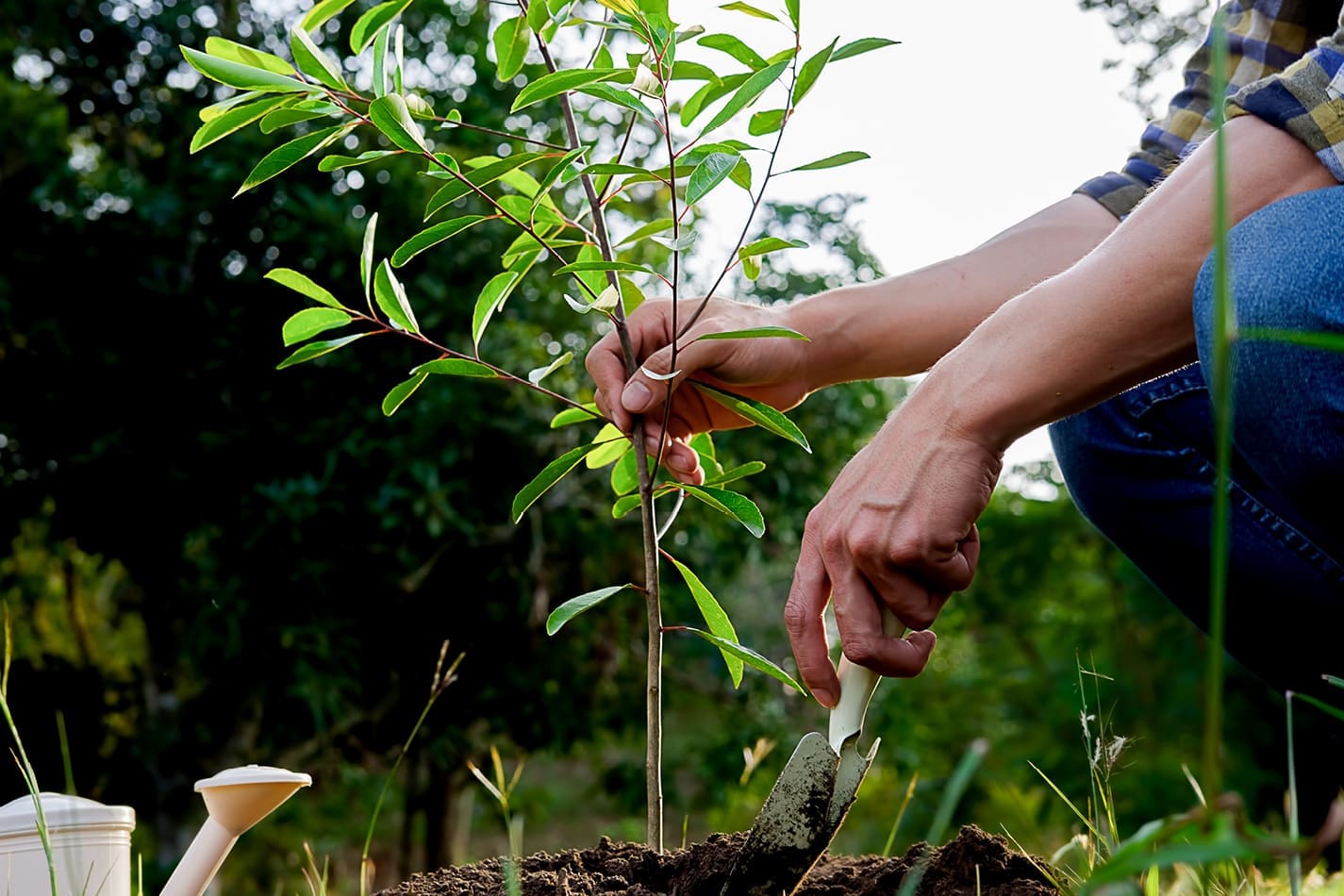
There’s something optimistic about planting a tree.
You’re making a decision today based on the shade, color, character and beauty you hope to enjoy years from now. And in Northern Colorado, where our climate asks a little more of our landscapes, choosing the right tree (and the right time to plant) matters.
For homeowners in Fort Collins, fall can be a great time to think about what comes next in the landscape. But before heading to the nursery in search of the fastest-growing tree available, it pays to think longer term.
The best tree isn’t necessarily the one that grows the fastest. It’s the one that’s well suited to its location, climate, water availability and the way you want to enjoy your outdoor space for years to come.
And right now – late September to mid-October – is the perfect time to plant a new one at your new home in Fort Collins.
What Trees Grow Best in Fort Collins?
Fort Collins sits along Colorado’s Front Range, where trees have to contend with intense sunshine, periods of drought, alkaline soils, temperature swings, snow and the occasional dramatic weather event.
Fortunately, we don’t have to guess which trees are up to the job.
The Colorado State Forest Service and American Society of Landscape Architects provide an updated Front Range Tree Recommendation List that evaluates more than 200 tree species and varieties based on factors including hardiness, water needs, soil adaptability, pest concerns and suitability for Colorado’s Front Range.
The City of Fort Collins also maintains its own extensive Recommended Plant List, giving homeowners another hyperlocal resource for selecting plants that can thrive here.
So, what should you consider planting? Here are 6 recommendations:
1. Kentucky Coffeetree: A Tough, Long-Term Shade Tree
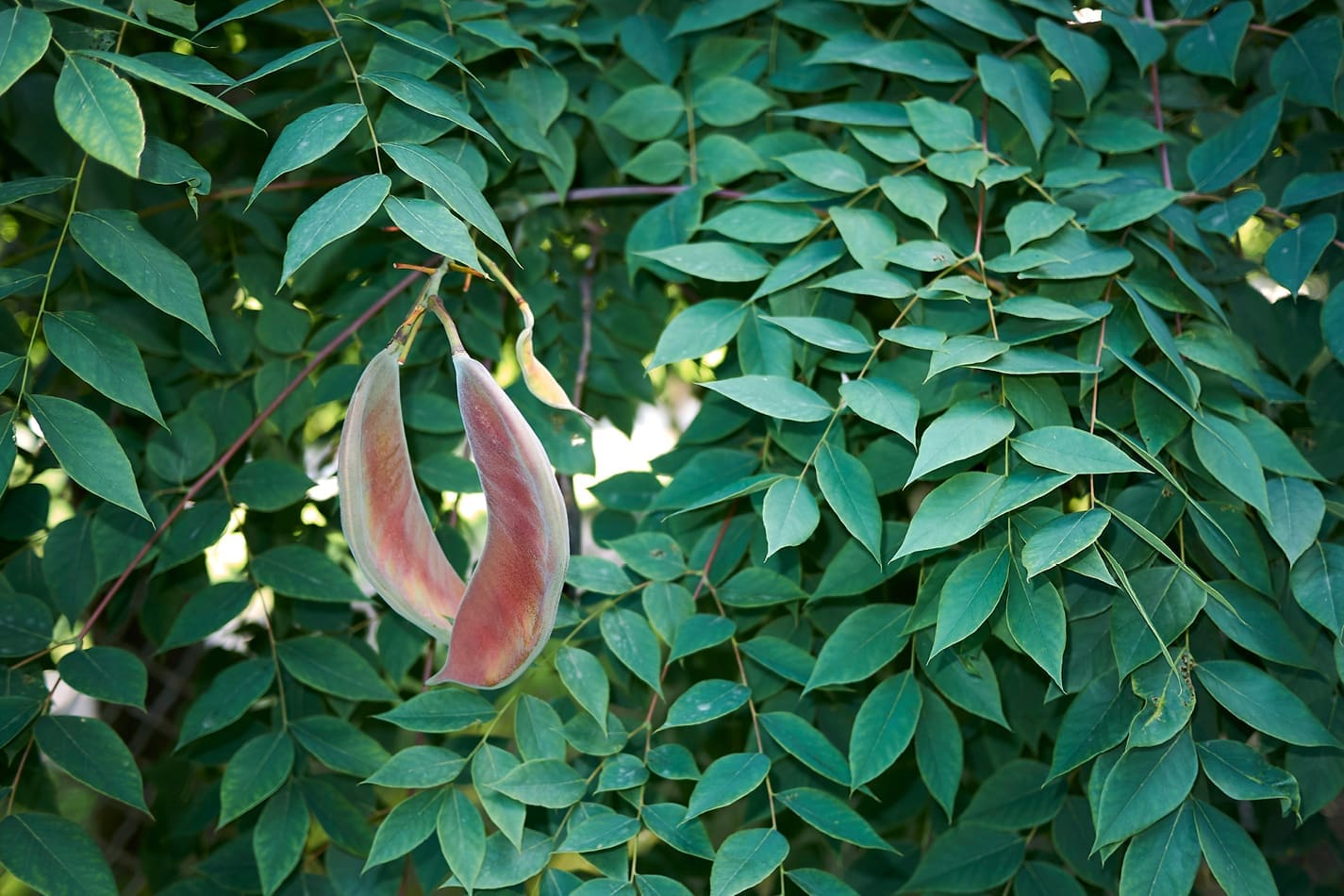
If your goal is eventually creating a substantial canopy, the Kentucky coffeetree deserves a look.
The City of Fort Collins describes varieties such as the Decaf Kentucky coffeetree as among the toughest and most climate-adapted shade trees for the area. Once mature, they can reach 60 to 80 feet tall and provide an attractive, dappled canopy.
They can look a little lanky when young. That’s part of the deal. Give them time and they mature into impressive shade trees that are tolerant of drought, exposed locations and a variety of soil conditions.
Consider it for: Large yards, long-term shade and homeowners willing to play the long game.
2. Ponderosa Pine: Colorado Character That Lasts
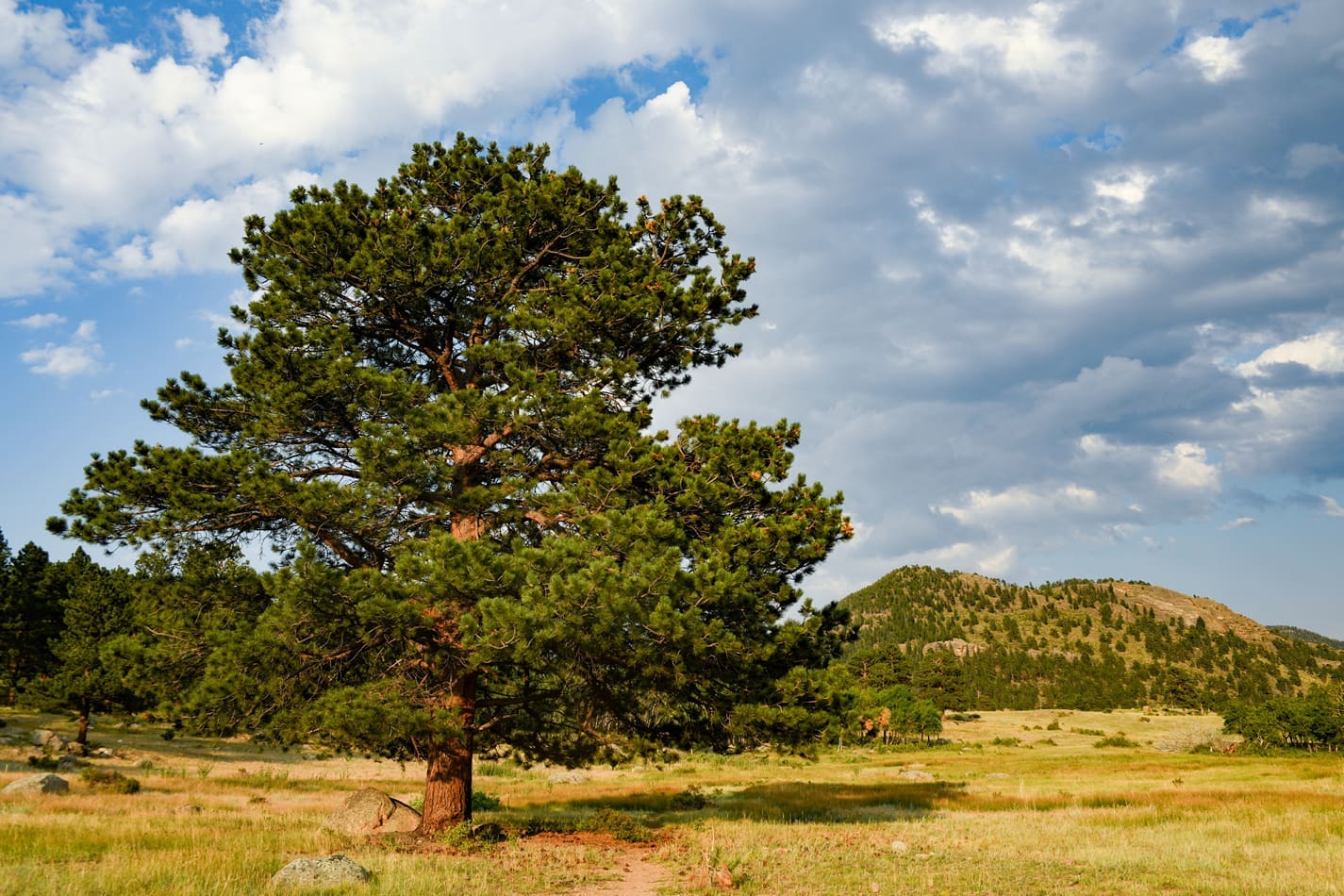
Few trees feel more unmistakably Colorado than the ponderosa pine.
Native to the Rocky Mountains and western Great Plains, ponderosas are included on the City of Fort Collins plant list and require relatively little water once established. They can eventually grow 60 to 80 feet tall, so placement is important.
And talk about planting for the future: ponderosa pines can live for centuries.
Consider it for: Larger landscapes, year-round greenery, wildlife habitat and a distinctly Colorado sense of place.
3. Rocky Mountain Juniper: A Water-Wise Native
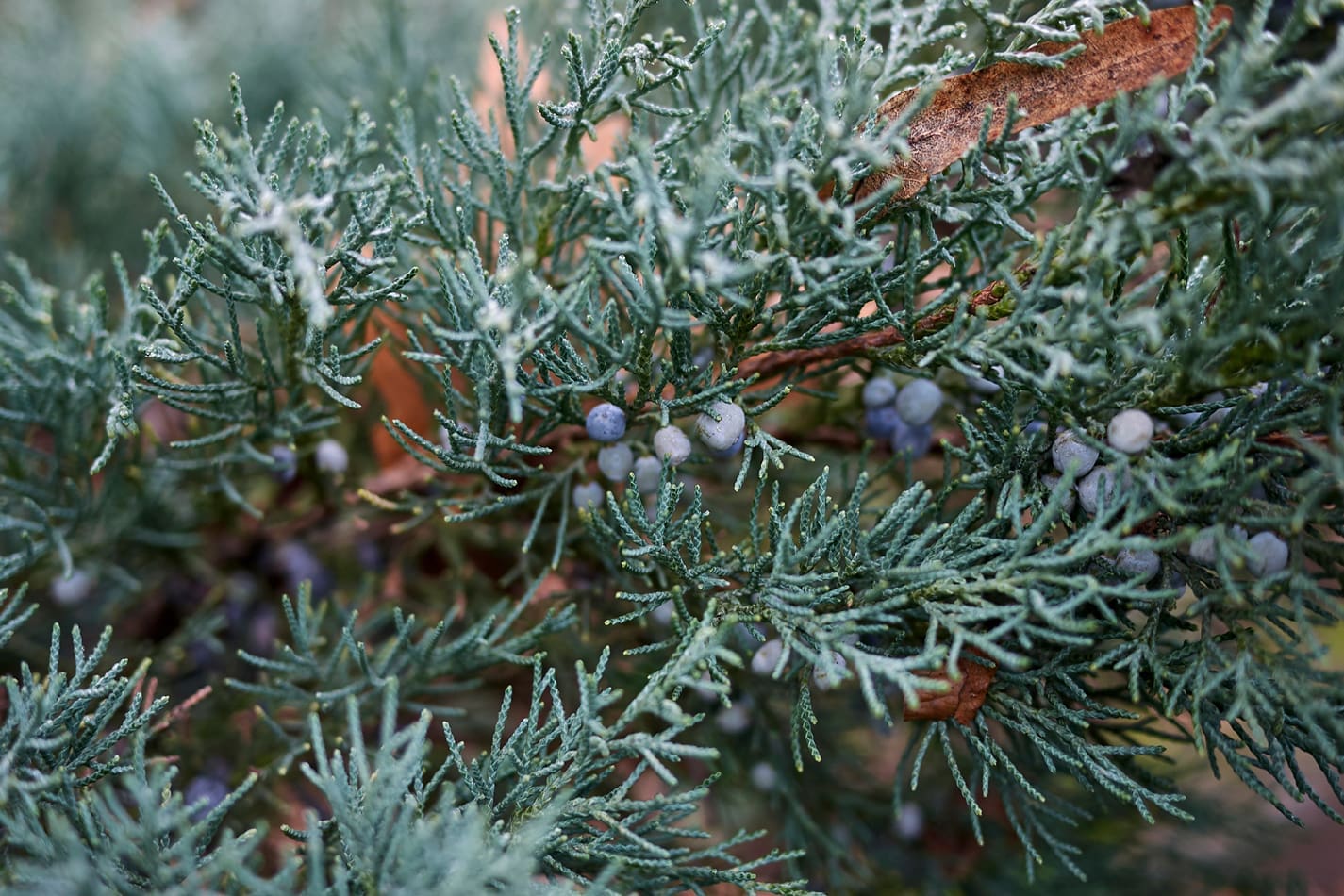
For homeowners interested in a smaller evergreen, the Rocky Mountain juniper is another local standout.
Native to the Fort Collins area, it typically reaches around 20 to 30 feet tall with a narrower spread than many large evergreens. The City notes that it can thrive with very little supplemental water and performs well even on challenging sites.
Its evergreen foliage can also provide screening and winter interest long after deciduous trees have dropped their leaves.
Consider it for: Water-wise landscapes, smaller spaces, screening and year-round structure.
4. American Linden: Shade With a Softer Side
Not every great shade tree needs to feel rugged.
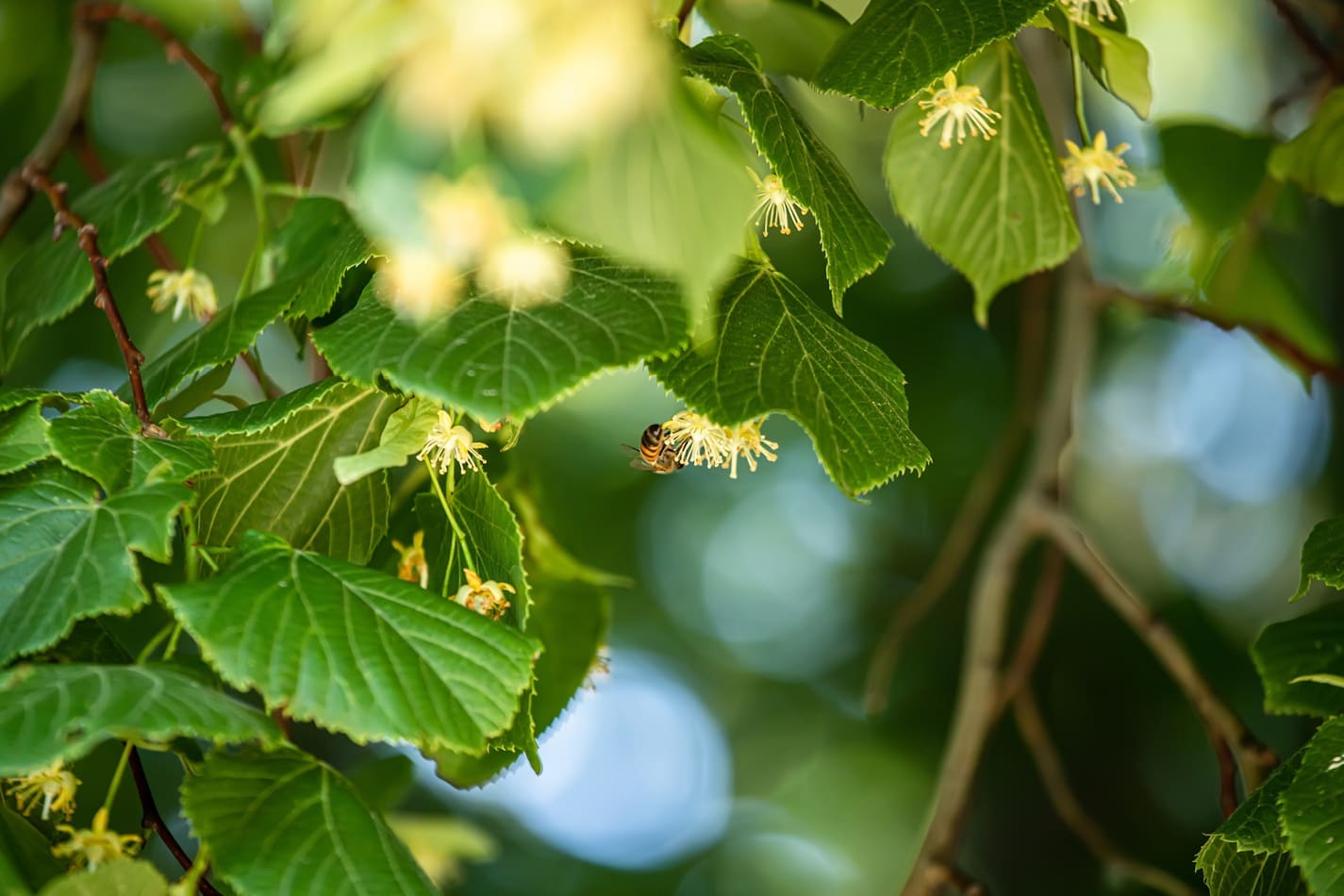
American linden can provide a broad canopy along with fragrant flowers, fall color and pollinator value. Certain varieties appear on the City of Fort Collins Approved Street Trees list, although these trees generally require more water than some of the drought-tolerant choices above.
They’re a good reminder that choosing a tree is about matching the plant to the place, not simply finding a universal “best.”
Consider it for: Summertime shade, seasonal interest, pollinator-friendly landscapes and locations where moderate watering is appropriate.
5. Common Hoptree: A Smaller Colorado Native Great for Front Yards
Not every yard has room for an 80-foot canopy.
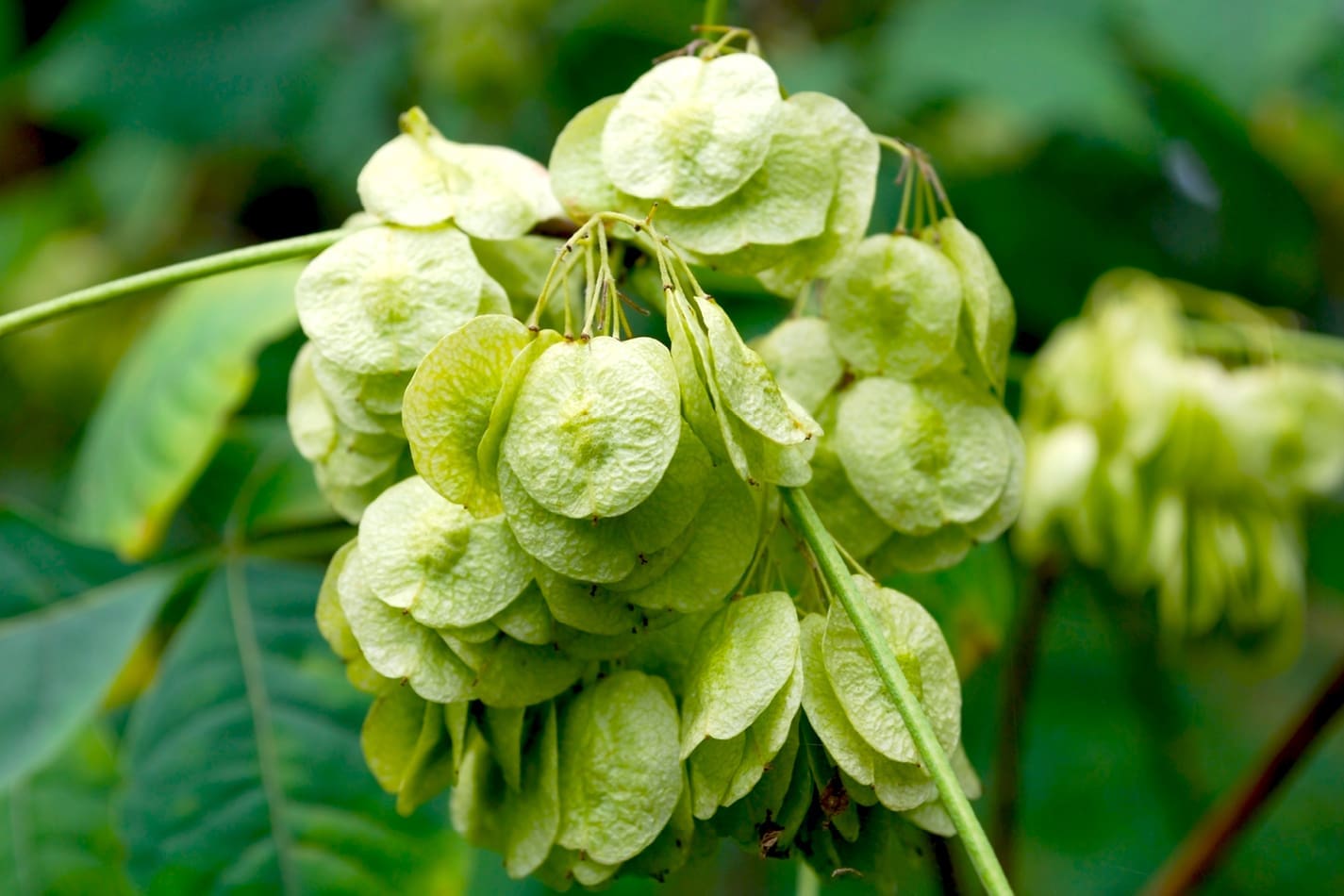
The common hoptree is a Colorado native that typically reaches only 15 to 20 feet in height and width. The City of Fort Collins calls it a tough, site-tolerant option for small yards and low-water areas.
Its more modest size makes it particularly interesting for newer homes where outdoor spaces may need a carefully scaled tree rather than a future giant.
Consider it for: Smaller yards, low-water landscapes and spaces where a large shade tree simply won’t fit.
6. Blue Spruce: Colorado’s Evergreen Classic
There’s a reason Colorado blue spruce remains a landscape favorite.
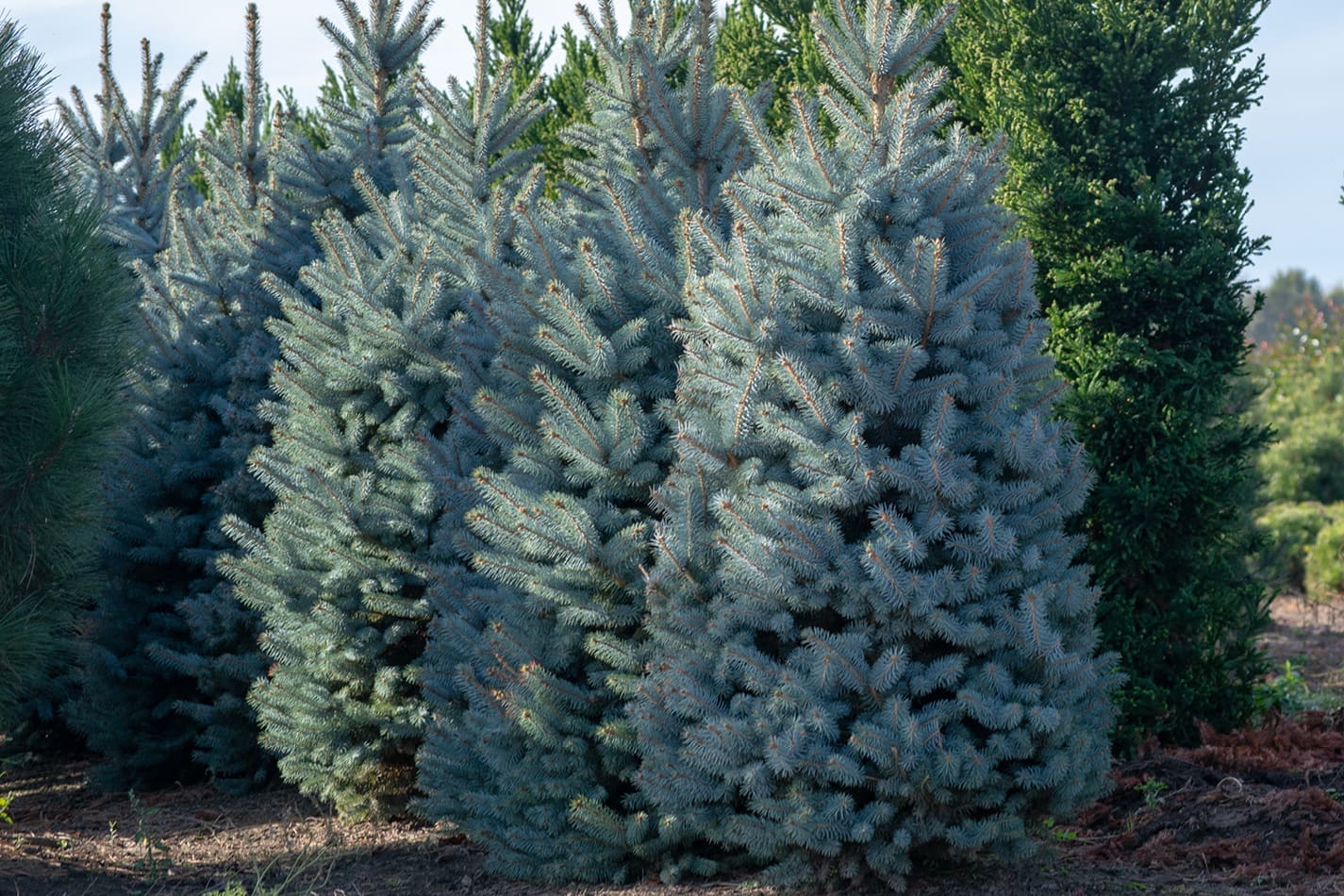
It provides year-round color, screening and habitat and can perform very well in Fort Collins when given adequate water. The City lists it as requiring low to moderate water, while noting that environmental changes can stress the tree.
With a mature height potentially reaching 40 to 60 feet, this is another tree that deserves some planning before planting.
Consider it for: Larger landscapes, privacy, winter color and four-season interest.
Should You Just Plant the Fastest-Growing Tree?
The answer: probably not.
Fast growth is tempting, particularly when you’ve just moved into a new home and your landscape feels, well, new. You want shade. You want privacy. You want the yard to feel established.
But trees are an investment measured in decades.
Fast-growing species can sometimes come with tradeoffs including weaker wood, shorter lifespans, aggressive roots or greater susceptibility to damage. Instead, think about what the tree will become.
How wide will its canopy eventually grow? How much water will it require? What happens to nearby sidewalks, patios or foundations? Is it appropriate for your soil? Will it provide shade where you actually want it?
The best landscape isn’t necessarily the one that fills in fastest. It’s the one that gets better with time.
Landscaping a New Home? Think Beyond Move-In Day
That long-term thinking is especially valuable when landscaping around a newly built home.
A new landscape offers something an established one can’t: the opportunity to think ahead from the beginning.
Consider where afternoon sun hits your home. Think about future shade over a patio or outdoor living area. Look at sightlines from windows. Consider privacy, seasonal color, water use and the eventual size of everything you plant.
And don’t forget what’s happening below ground. Utilities, irrigation, soil conditions and root systems all matter when deciding what should go where.
The sapling you see today could eventually become one of the defining features of your home.
The Landscape Is Part of How You Live at Sonders
Here, nature isn’t simply scenery around the homes. Parks, trails, open spaces and connections to the surrounding Northern Colorado landscape are part of a larger philosophy about creating a community that supports wellness, movement, connection and a healthy culture of aging.
Fort Collins itself is thinking similarly. The City of Fort Collins’ Urban Forest Strategic Plan identifies opportunities for additional tree canopy to help capture stormwater, reduce urban heat and provide environmental, social and human-health benefits.
A great tree can make a backyard better.
Collectively, great trees can make a neighborhood better.